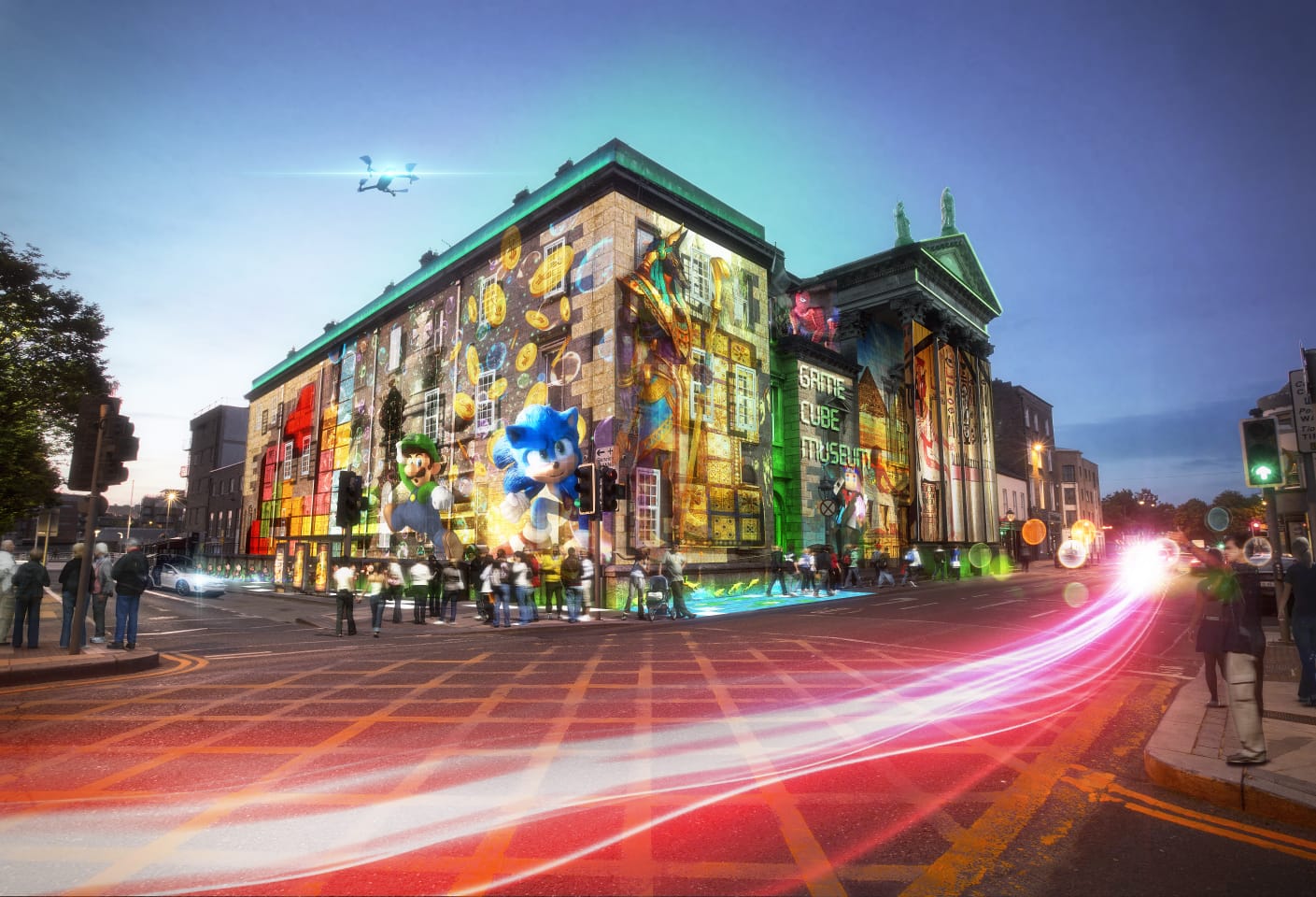
In November 2018 I was invited to speak at a Liveable Ireland event in Copenhagen, organised by IBEC and hosted by Mick Forde Bradley, then partner at Zeso Architects. The idea of the event was for Irish attendees, which included representatives from a number of city and county councils across Ireland, to visit and learn from some of Copenhagen’s many successes in the way of housing and urban design. There was a strong Limerick contingent present, including representatives from Limerick 2030 and then Liveable Limerick and Hunt Museum chairman John Moran (now one of the lead candidates for Limerick Mayor 2024) whom I happened to be sitting with at lunch. The group chatted about what we had seen that day and what we thought might work in Limerick, and eventually ended up discussing what use could be made of derelict sites in the city, including the former Dunnes Stores on Shannon Street and the site at Cleves. One of the suggestions was for a Centre for the Irish Diaspora, another a conference centre, others included combinations of housing and commercial units, but one idea, put forward by John Moran, stood out to me as being genuinely unique – a Gaming Museum. At that stage it was a very loose concept and the conversation about what that would look like lasted only a couple of minutes, but in March 2019 I received a phone call from John again, this time asking if I would be interested in joining a team being led by Jill Cousins, CEO of the Hunt Museum, to try and bring this idea to fruition.
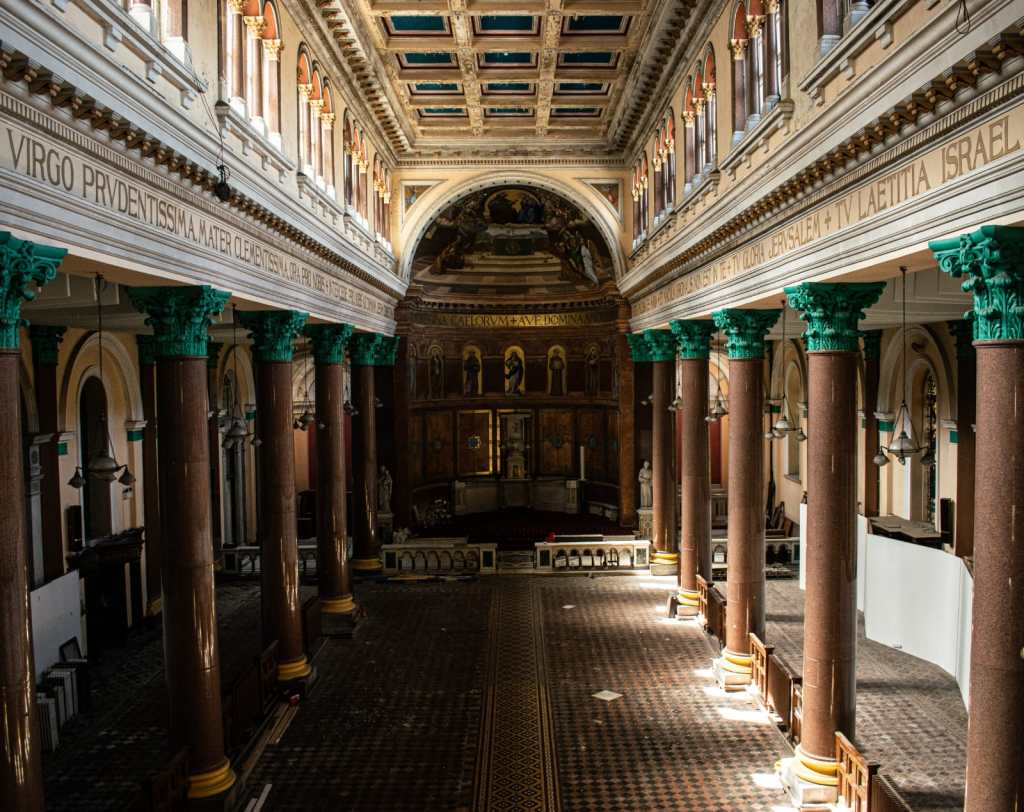
The goal was to win funding from Fáilte Ireland’s €150 million capital investment programme – Platforms for Growth – which aimed to lengthen the Irish tourism season by spreading demand more evenly throughout the year and by diverting visitors to the regions. Over the course of the next two years and with the help of Limerick City and County Council and the Franciscans, who very kindly offered us the use of their church on Henry Street, we worked tirelessly to create a proposal that would bring an attraction of international significance to Limerick city – GameCube.
The concept of GameCube was an attraction that would bring visitors on a journey through the history of games, starting from the very first games played in pre-historic and ancient times all the way up to the Industrial Revolution, through to the dawn of electronic gaming in the 70’s, 80’s and 90’s, right up to modern day and beyond. Over three floors, visitors would have the chance to learn about, engage with, and most importantly play games from each of the eras.
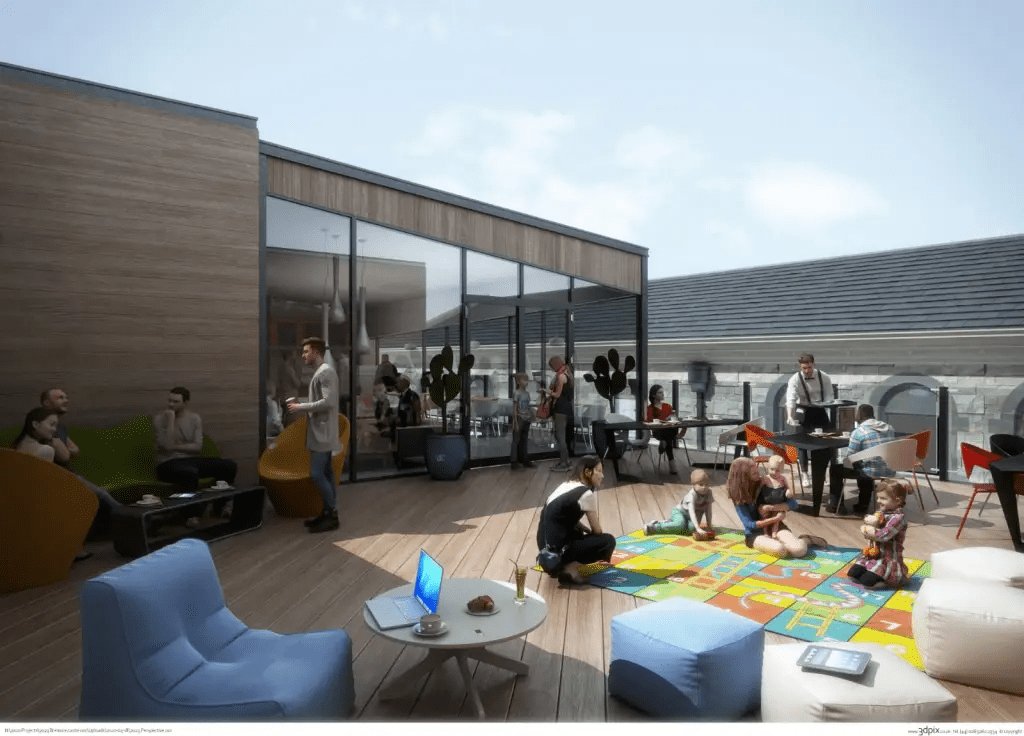
The church would be retrofitted internally with a three-story structure and house a giant, life size “Snakes & Ladders” constructed against one of the walls and covering two full floors, allowing visitors to climb or slide from floor to floor. The plans included a mini amphitheatre to host TedTalks type events and seminars, facilities for local, national, and international e-gaming events and competitions, multiple virtual reality (VR) and augmented reality (AR) experiences, games rooms for private hire, mixed reality experiences created by renowned game designers, a roof terrace with a café, restaurant and bar, and a giftshop. The proposal would have seen GameCube partnering with local universities, colleges, and schools to host workshops, classes, summer camps and courses where people young and old could learn or refine their IT skills, including early learning coding classes, coder dojo sessions, courses on software and game design, and eSports events, all of which would have engaged and attracted local, national and international visitors into the heart of Limerick city.
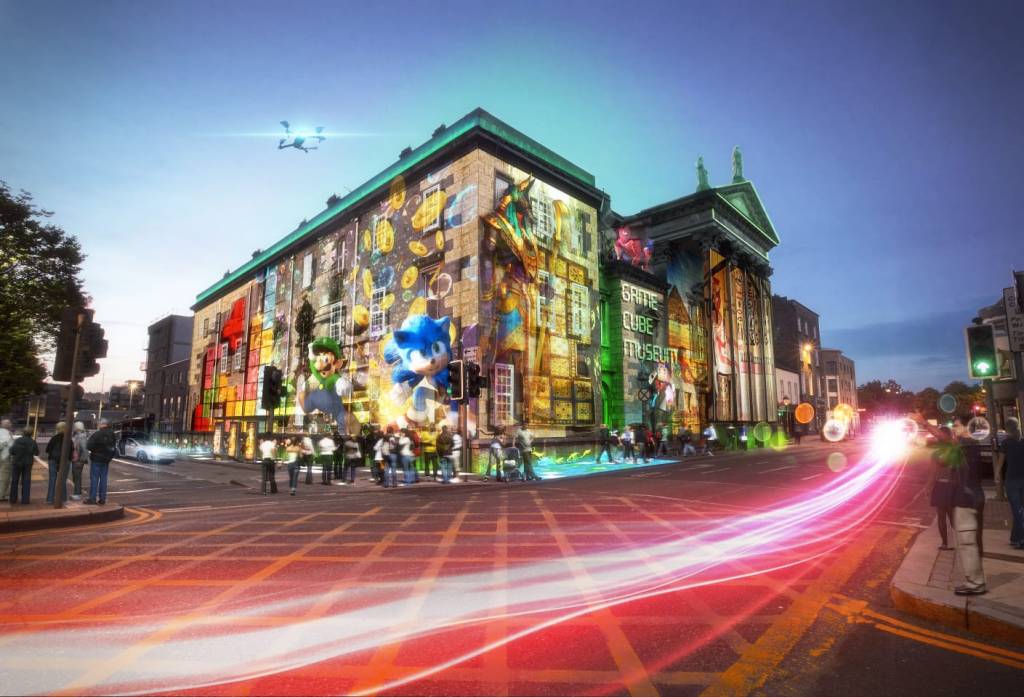
The attraction was to be divided into three floors with visitors being provided with a variety of fun and innovative ways to engage with the story ahead, such as VR experiences, augmented reality apps and headsets, QR codes, 4D experiences, and cutting-edge hologram technologies.
The first exhibit, entitled “Back to the Past” would have been located on the top floor. Here visitors would find displays of ancient games (such as mancala, knucklebones, boules, and The Royal Game of Ur) and classic games (such as quoits, marbles, ludo, Hungry Hippos, and Monopoly), with the central space entirely dedicated to physically playing the games, whether using originals, replicas, digital recreations, or VR.
From the top floor, the braver visitor could descend using one of the slides in the Snakes & Ladders installation down to the second-floor exhibition entitled “Retro”. Here visitors could immerse themselves in a fully electronic and online experience of consoles and video games telling the story of electronic gaming from its dawn through the 70’s, 80’s and 90’s, including Limerick’s own unique role in that story (think Atari and Wang), right into the modern day. The exhibition area on this floor was to be surrounded by eight “GameCubettes”, each large enough to accommodate 10-14 people. These could be booked by visitors to play multiplayer games against each other or online against other players across the world. The second floor would have also housed the “Education Suite” to be used for courses, training and seminars, and the “Friary Games Room”, a mecca for enthusiasts of classics like chess, backgammon, chequers, Go, Risk, and many more.
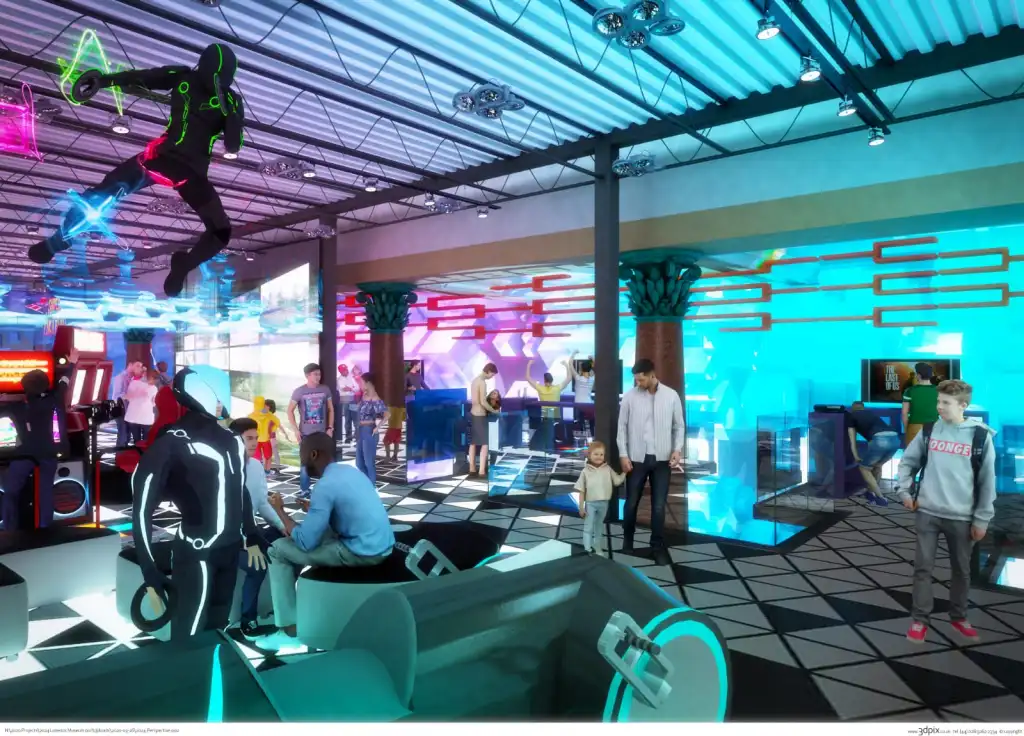
The ground floor exhibition, “Back to the Future” would house the very latest Artificial Intelligence, AR and VR technologies, consoles, and games releases, each of which would have been available for visitors to try and play, including those in need of beta testing from major industry sponsors.
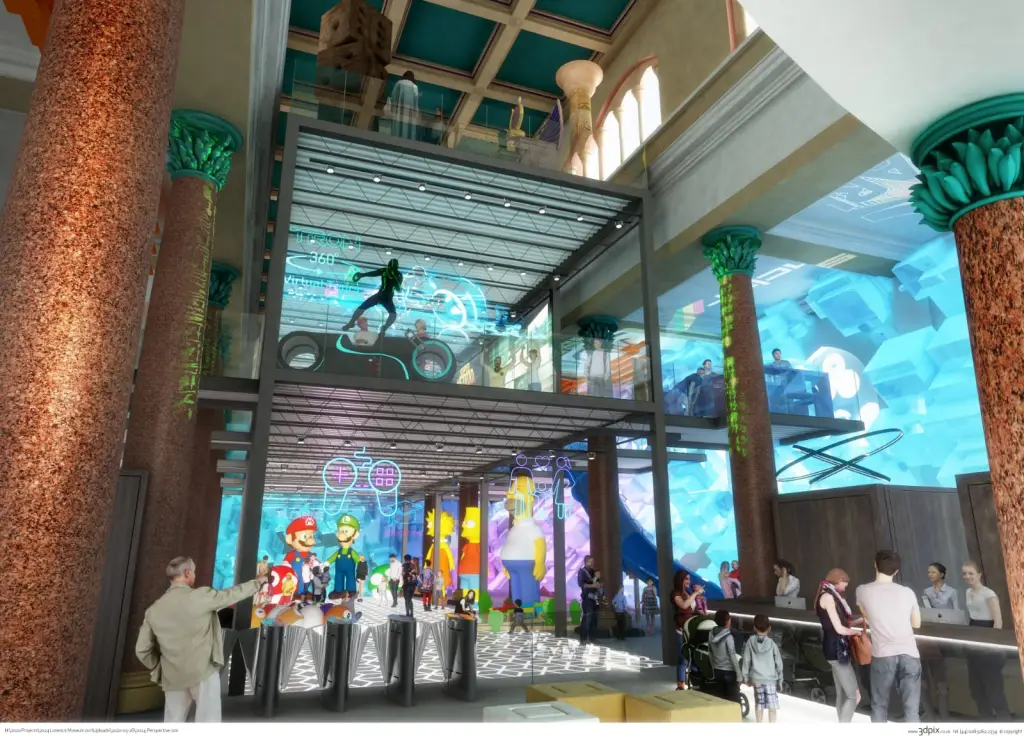
GameCube would have been a game changer for Ireland’s tourist offering, which has traditionally been based on historical and/or outdoor scenic experiences and as such often weather dependant and seasonal. Perfectly positioned on the Wild Atlantic Way, in a part medieval, part Georgian city once referred to as Europe’s Silicon Valley, and only a short drive from Shannon Airport, GameCube would have been the world’s first museum dedicated to the history of games, and perfectly positioned to tap into an ever-growing electronic gaming industry, which boasted over three billion active video gamers and an industry worth $211 billion worldwide in 2022.
Fáilte Ireland ultimately decided to fund Westport House Estate & Gardens in Co. Mayo (€20.2 million), The Shannon Pot & Cavan Burren Park in Co. Cavan (€4.8 million), Fort Dunree & Head in Co. Donegal (€9.3 million), and the “This is Ireland” flight simulator in Dublin (€10 million). Time will tell if these were worthy winners or not but many of these are business as usual for Ireland’s tourist offering and one can’t help but feel that Ireland has missed out on a real opportunity to take the country’s tourist offering (as a whole) to the next level.
Limerick’s Edge Embrace brand states that Limerick offers energy, excitement, and limitless possibilities. An attraction like GameCube would match that vision perfectly, make use of an existing prime asset in the heart of the city centre, leverage Limerick’s digital heritage, and attract tourism and investment from across the globe. With the groundwork having already been done, Limerick City and County Council have at their fingertips an attraction of international significance that they could bring to fruition even without the support of Fáilte Ireland, so let’s hope it’s not Game Over for GameCube just yet.
Follow us on Twitter, Facebook and Instagram @eiretharlear
 Eireannach Thar Lear