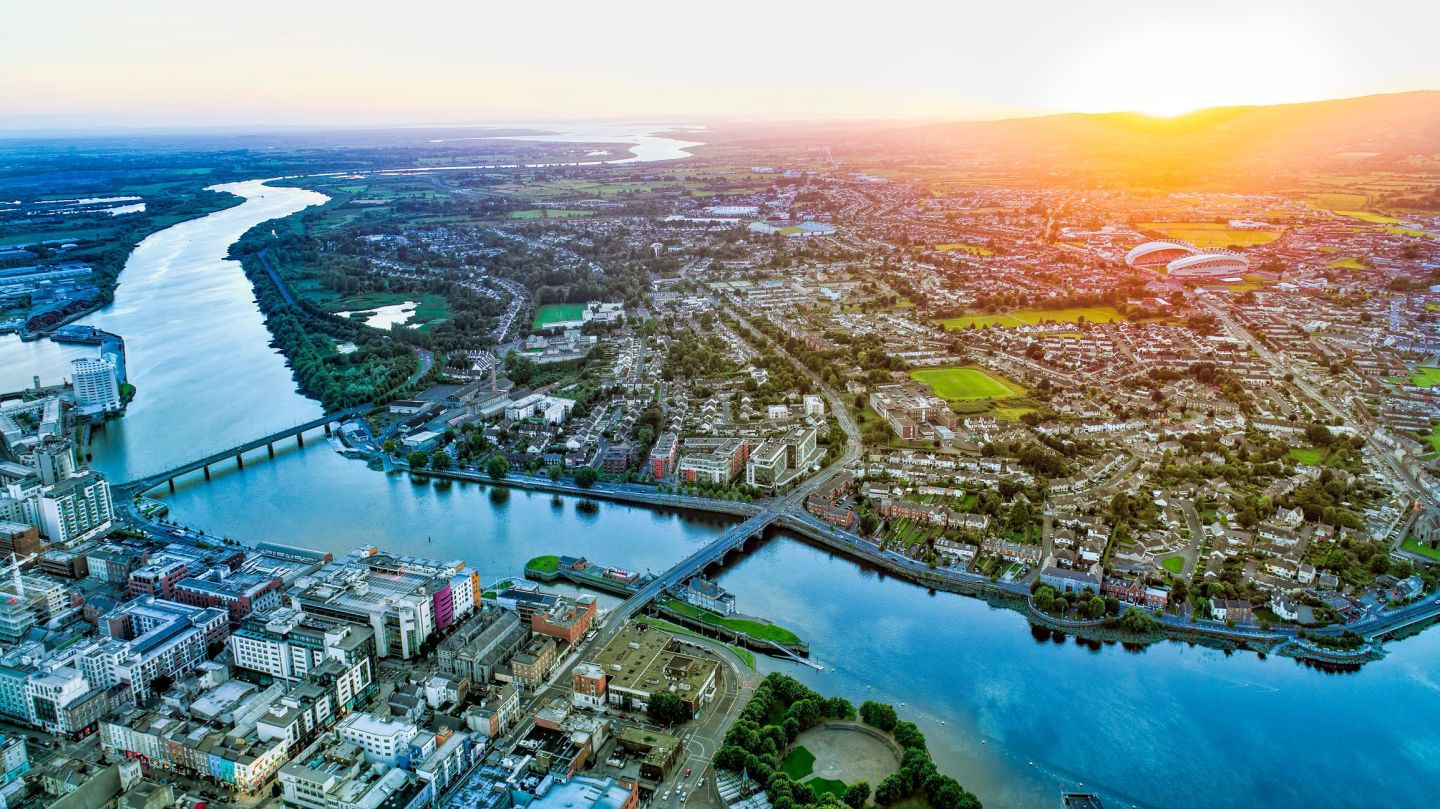
On June 7th voters in Limerick will make history by going to the polls to elect Ireland’s first directly elected mayor (DEM). There are a total of 15 candidates seeking election to this historical role, including candidates from Fianna Fáil, Fine Gael, Sinn Féin, the Green Party, Labour, the Social Democrats, Aontú, Rabharta, People Before Profit, the Socialist Party and the Party for Animal Welfare. There are also several independent candidates, including John Moran, Helen O’Donnell, Frankie Daly, and Colm Ó’Móráin. It’s a strong pack, but there is a problem – eleven of the candidates are standing as representatives of a political party.
While on the face of it that shouldn’t be a problem, after all it is a political role, it’s crucial in my opinion that the DEM be independent. Being independent means that the DEM won’t need to tow the party line or pursue party policies that might not be in the best interests of the people of Limerick, it will allow them to make decisions in Limerick independently of what the head office in Dublin is telling them to do and allow them to work with members of all parties (as well as other independents) rather than having to battle with would-be partners hell bent on points scoring. Unlike an independent candidate elected to the Dáil the new DEM role comes with significant powers and a large budget that means that the mayor doesn’t need to be a member of a larger party to get things done. The DEM must be focussed on what is happening in Limerick, what is right and best for Limerick only, and they shouldn’t have to weigh up and manage competing interests being played out on the national political stage. While party-aligned candidates will of course say and in all honestly probably intend for their sole focus to be on Limerick, it simply can’t be that way when you are a member of a national political party. There will always be competing interests and decisions that need to be weighed up against the greater good of the party. Does anyone believe that a Fianna Fáil, Fine Gael, Sinn Féin or Green Party mayor will be allowed risk losing voters to a competing party in the run up to elections by supporting an initiative from a competing party, no matter how good that initiative might be? This is the way it has always been and will continue to be, and recent history is littered with examples of opposition parties bringing ideas to government only for them to be shot down repeatedly before repackaged versions of the same idea are later adopted by government, but often only after significant time has been lost saving face. Even junior partners in government have complained of their wins and ideas being misrepresented by the larger partners as their own. It will be crucial that the elected DEM, whoever that may be, can work with all 40 councillors and build consensus across all parties, rather than point scoring, bickering and potentially holding up progress because political views don’t align.
The status quo hasn’t worked for Limerick and it’s time for change. My fear is that by voting for a candidate from one of the parties, we will be voting for more of the same.
Follow us on Twitter, Facebook and Instagram @eiretharlear
 Eireannach Thar Lear